Author: AVP Tiffany Tan, PhD
Date: June 20, 2026
Data, data, data. It has become the mantra of today’s business world.
In a VUCA environment, one marked by volatility, uncertainty, complexity, and ambiguity, data alone is never enough. It must be guided by sound analysis, thoughtful interpretation, and a clear understanding of the problem that needs to be solved.
Before organizations can analyze data, they must first ask the right questions. In today’s rapidly changing world, there is no longer a one-size-fits-all solution. Simply copying the strategies of the business next door does not guarantee success. As markets become more fragmented, specialized, and dynamic, assumptions must be challenged, contexts must be understood, and solutions must be designed according to actual realities.
This is where research comes in. This is where the UP Cebu School of Management Master of Business Administration comes in.
At the School of Management, theories are not treated as final answers, but as starting points for meaningful inquiry. They are tested against real-world data, practical experience, and human behavior to develop solutions that respond to actual organizational and societal needs. MBA students are challenged to look beyond the obvious, to interview experts, engage stakeholders, review existing literature, and think critically and creatively about the issues they seek to address.
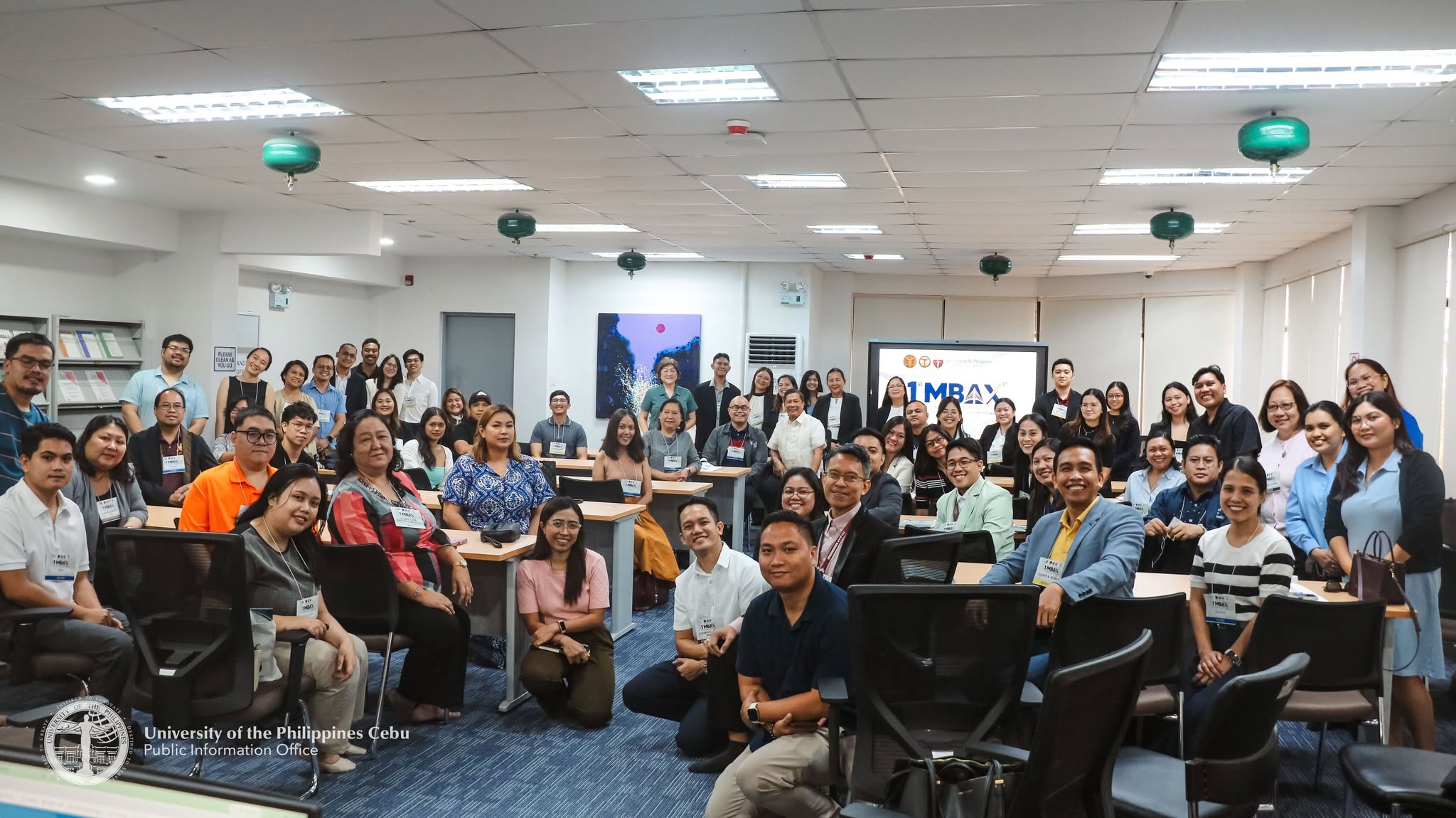
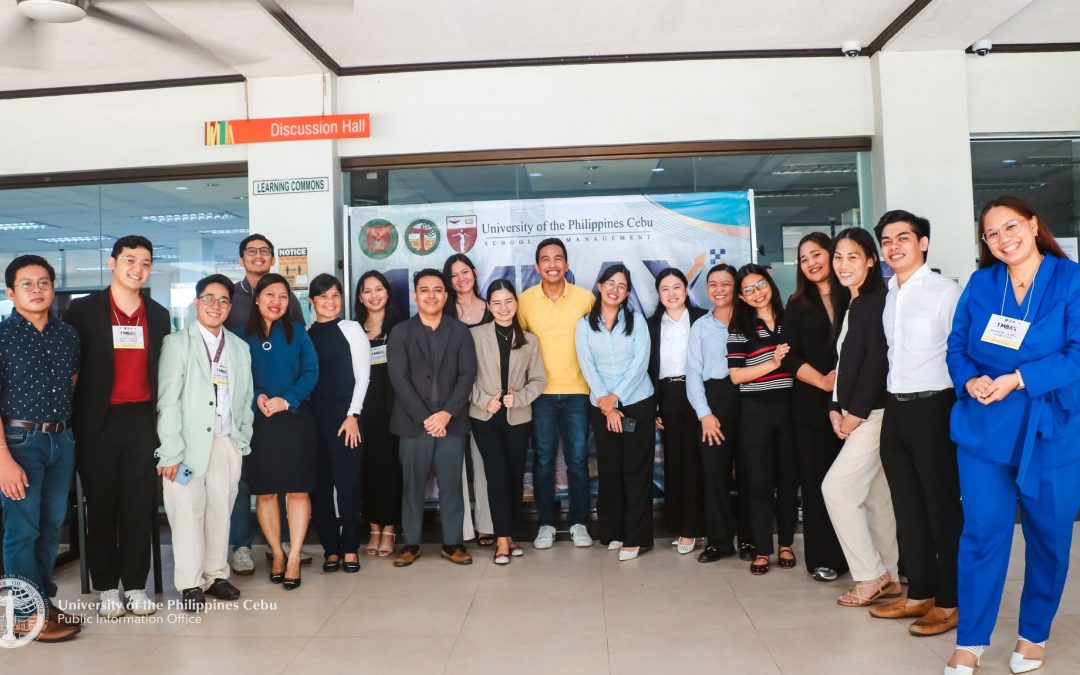
To showcase this commitment to applied research, the School of Management recently organized its first-ever research presentation event, MBAX: A Graduate Research Forum. The event highlighted the research outputs of MBA students and demonstrated the breadth, depth, and relevance of applied research in addressing today’s pressing organizational, societal, environmental, and technological challenges.
The diversity of topics presented was impressive. In less than six months, MBA students produced research covering sustainable fisheries, disaster risk reduction, renewable energy adoption, artificial intelligence, robotic process automation, employee well-being, financial inclusion, and public service improvement. Collectively, these studies demonstrated how evidence-based insights can guide smarter decisions and create meaningful impact.
Through diverse methodologies and multidisciplinary perspectives, the researchers highlighted the vital role of research in advancing innovation, sustainability, organizational effectiveness, and community development. Their work reflects the UP Cebu School of Management’s commitment to transforming knowledge into action and ensuring that research remains responsive to the needs of society.
The forum also featured testimonies from two alumni who shared how they applied the findings of their MBA research in their respective organizations. Their studies became the foundation for programs and initiatives that created measurable value for their companies. These research-based solutions also opened opportunities for professional growth and career advancement, as the alumni were able to demonstrate their capacity to solve problems and contribute meaningfully to organizational success.
MBAX is aligned with the School of Management’s mission to generate and disseminate knowledge that adds value and remains relevant to the needs of Cebu and beyond. The School hopes to expand the reach of future forums by inviting more business leaders, organizations, policymakers, and community stakeholders to engage with the research conducted by its students. By sharing evidence-based insights, the School seeks to help organizations better understand consumers, improve decision-making, and develop more effective and sustainable strategies.
More importantly, MBAX embodies the values that define the University of the Philippines: honor, excellence, and service. Research is not merely about producing knowledge; it is about pursuing truth with integrity, conducting inquiry with intellectual honesty, and using evidence responsibly to serve society. Through initiatives such as MBAX, the School of Management reaffirms its commitment to developing leaders and professionals who not only possess the competence to solve complex problems, but also the character to do so ethically and honorably.